— applied philosopher — institutions, meaning-making, and what gets left out
for inquiries, collaborations, or speaking invitations: rtv22@cam.ac.uk
we are currently living through our very own Hellenistic moment.
when the empire of Alexander the great fragmented – and the polis of plato and Aristotle lost its capacity to anchor a shared political and ethical life – philosophy had to start focusing on different questions:
not just; “how should we organise the system best”,
but also “what does it mean for a person to live well, if the state is not solving those questions for us”.
The stoics, epicureans, skeptics, and cynics all had their own answers – a bit like we are seeing happen now. the frameworks that once offered a shared account of purpose, wellness, and meaning are fragmenting, and we are, just like those Ancient Greeks, in need of new, disciplined, plural answers to the question:
“What does it mean to live well as a human being in the 21st century?”
most of my work lives in the space that question opens up.
the temptation, right now, is to answer that question with a number. simply rate your mood from one to ten. optimise the metric. build the system, train the model, and measure the outcome.
that method looks clean, and fair, allows us to compare things easily, and give us the illusion that we are scaling ‘the good life’.
but I think something important gets lost every single time we do it.
what is lost is the story of a person. the reason behind selecting the number. what someone thinks is beautiful, or meaningful, or true. the first time we walk outside and smell spring, sending that one text that makes the story come full circle, the happy end – even though the ride was rough.
what is lost is the impossible-to-measure part of life that we experience as the very thing gives life meaning.
that is what i specialise in. I want to find these parts, name them, and make sure we hold on to them as the world around us changes rapidly. just so – after all of the optimising – we did not accidentally design systems that excluded the one thing that we felt >actually< mattered.
areas of inquiry
My work examines how people and societies construct meaning, how institutions organise knowledge, and how alternative epistemic practices can be developed so we do not accidentally lose what was most meaningful in the first place.
questions I work on:
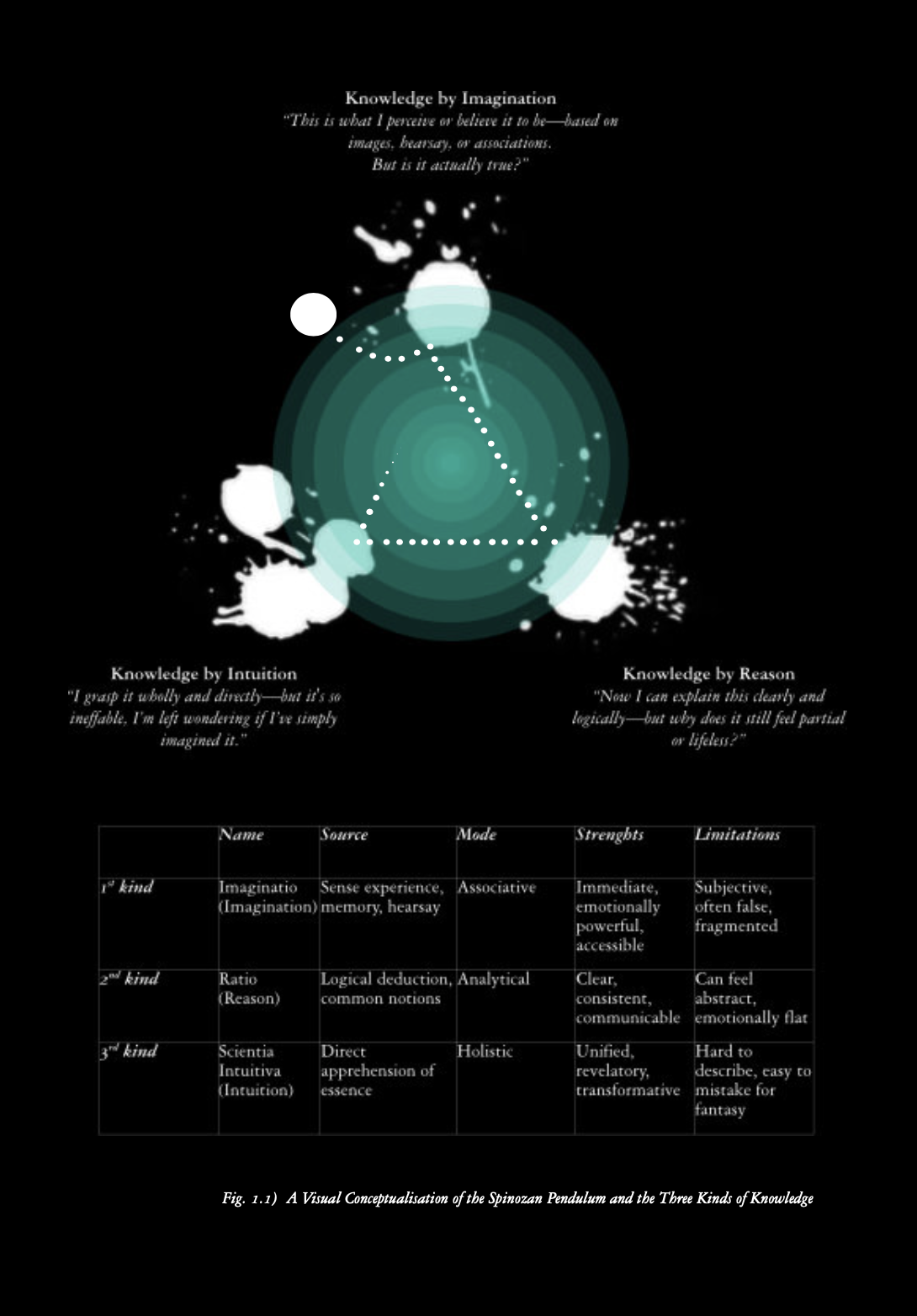
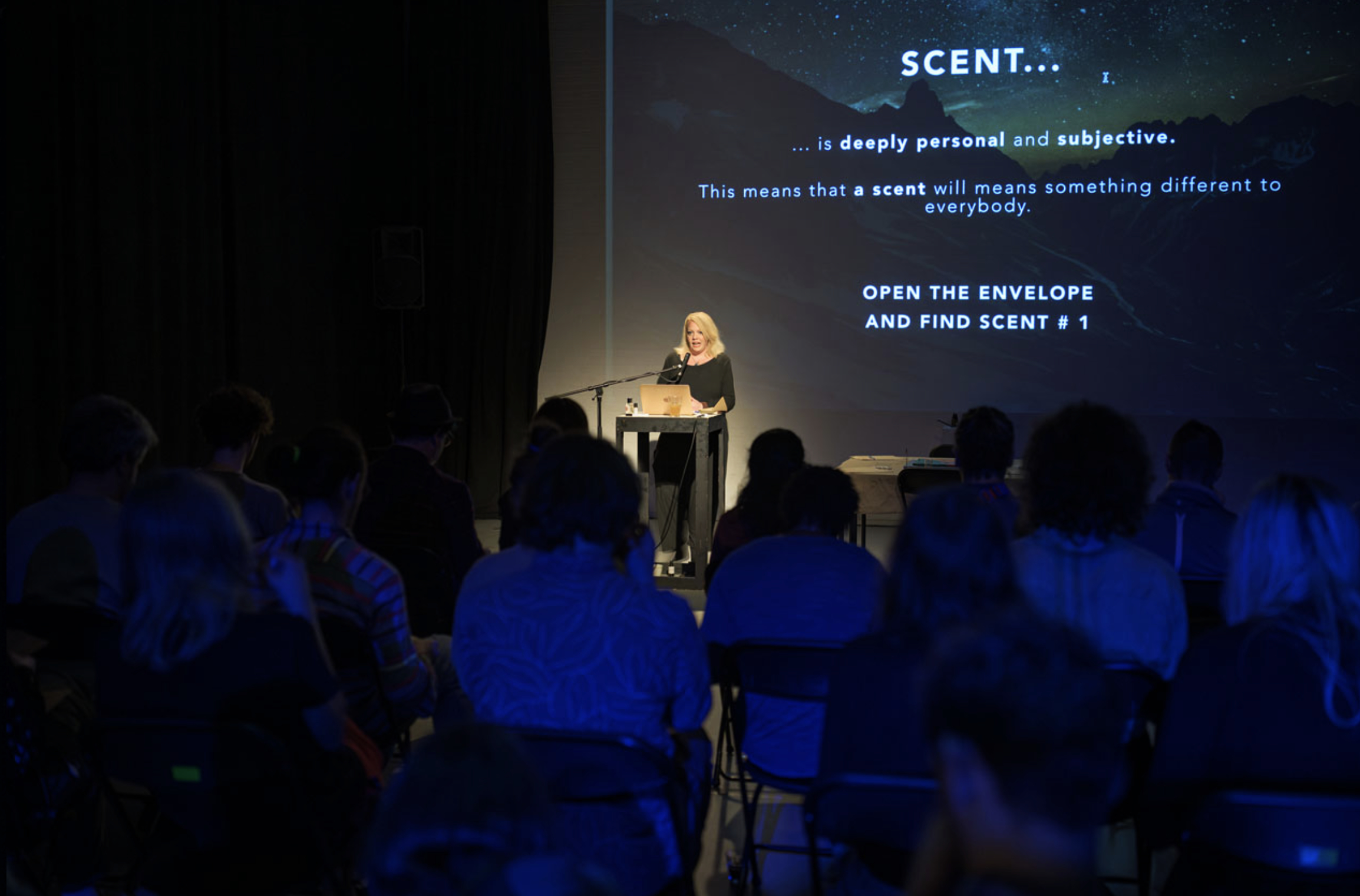
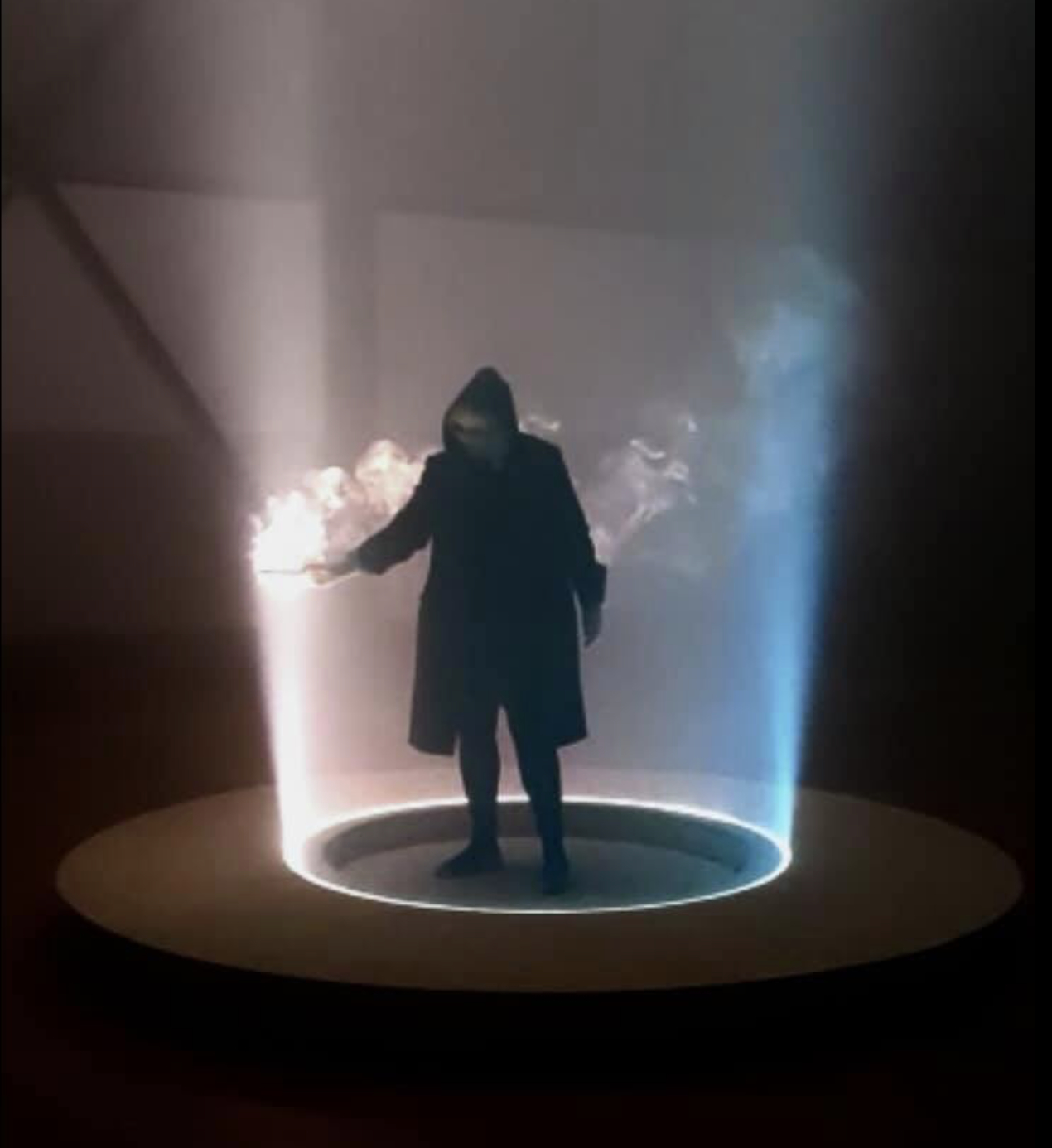
meaning-making & embodied practice how do ritual, attention, and sensory knowledge (like scent, presence, and story) operate as forms of understanding that most systems cannot formally hold?
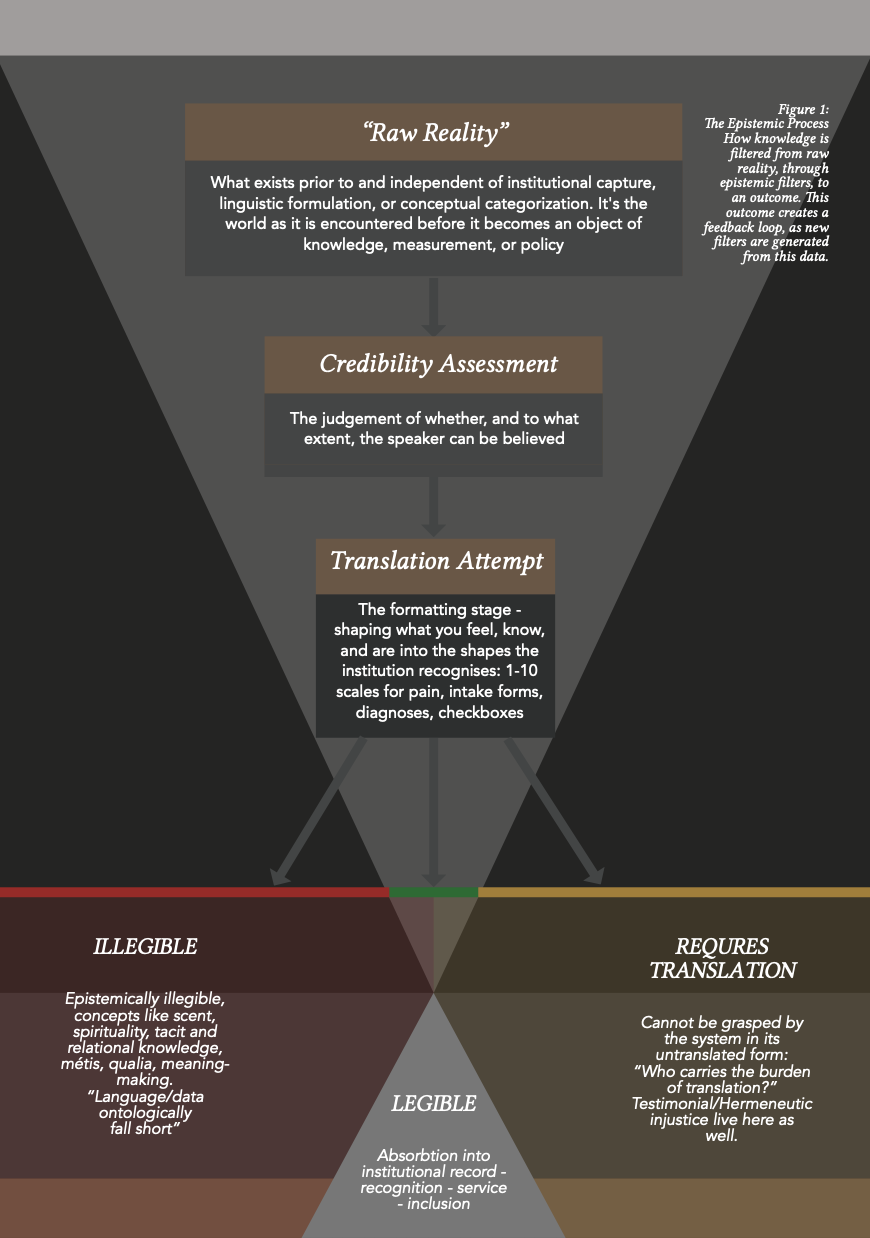
epistemic exclusion, Ai governance & institutional design how do bureaucratic and technical systems decide what counts as knowledge? and how can governance structures be designed to surface, instead of discard, what they leave out? how do we make automated decisions? how can we design fair systems that still hold space for wisdom?
Applied Philosophy how can we use philosophical methods to understand ourselves and the world better? rather than asking ‘so what category do we put you in’, I want to know how these categories are made, and who they serve. what language can we use to tell ourselves better stories about what it means to be a human being in the 21st century?
truth, beauty, and the good In an age where we all think differently about what is true, beautiful and good – how can we come together to find things to aspire to? A good life is never built in isolation, but nobody likes being forced to agree. What is the happy medium between a single dominant narrative, and a fragmented world in which we do not know what is important to us anymore?
we will have something to talk about if you:
…are designing a system — a theory, a policy, a model, an institution — and you have a feeling the metric you are about to lock in is going to miss something real, but you can not put your finger on it.
…are leading a team, a research programme, or a community through a moment that spreadsheets do not capture and need someone to hold that space.
…need someone who can stand in the room with the people who only trust what is measurable, and still make the case to look at what Is not.
…are curious — like me — and are working on a cool project, or want to think something through properly, slowly, and with the dignity and attention a search engine can not offer.